
From Brazil to the Classroom: Sandro’s Journey Through Science, Resilience, and Teaching
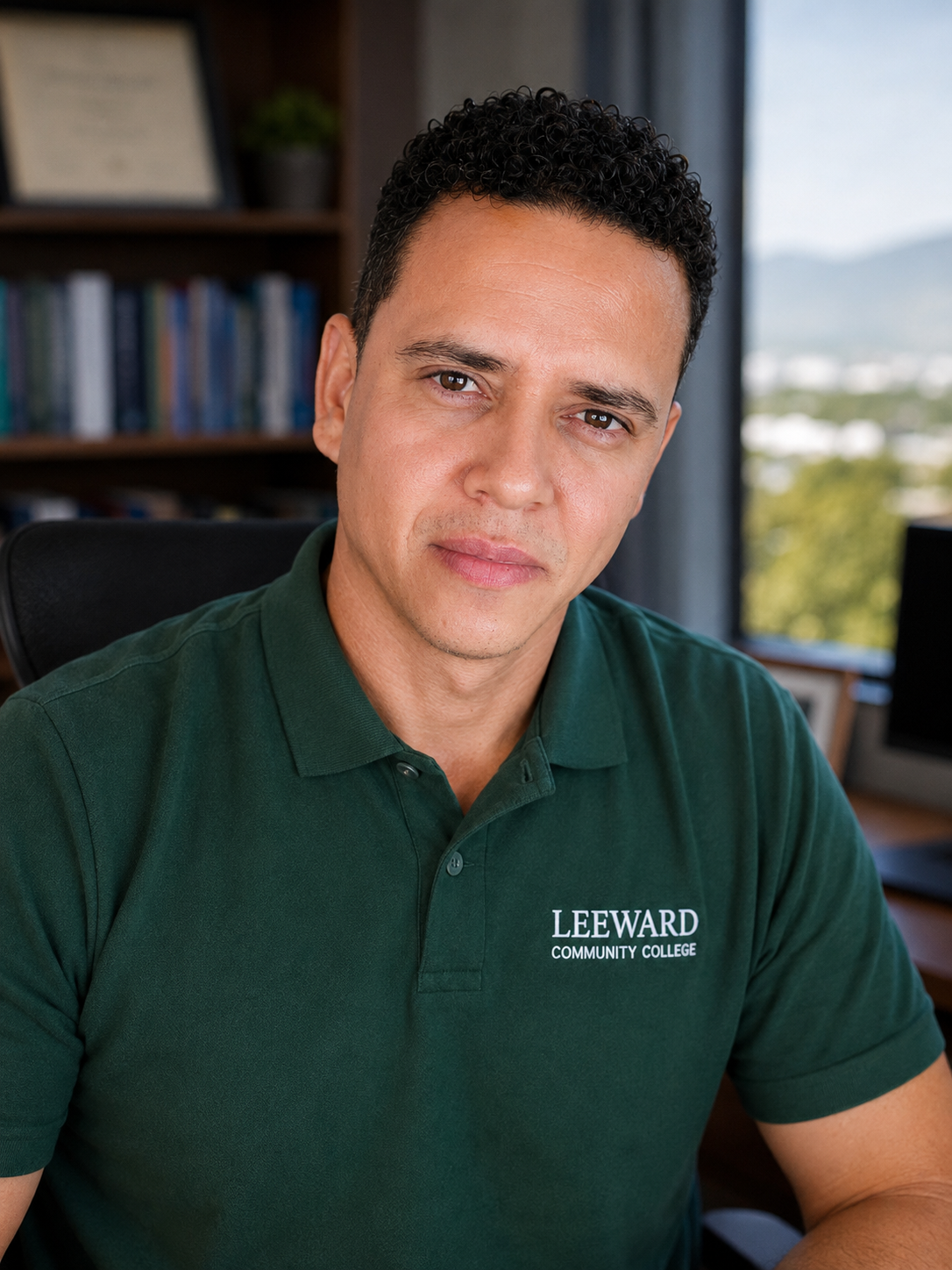
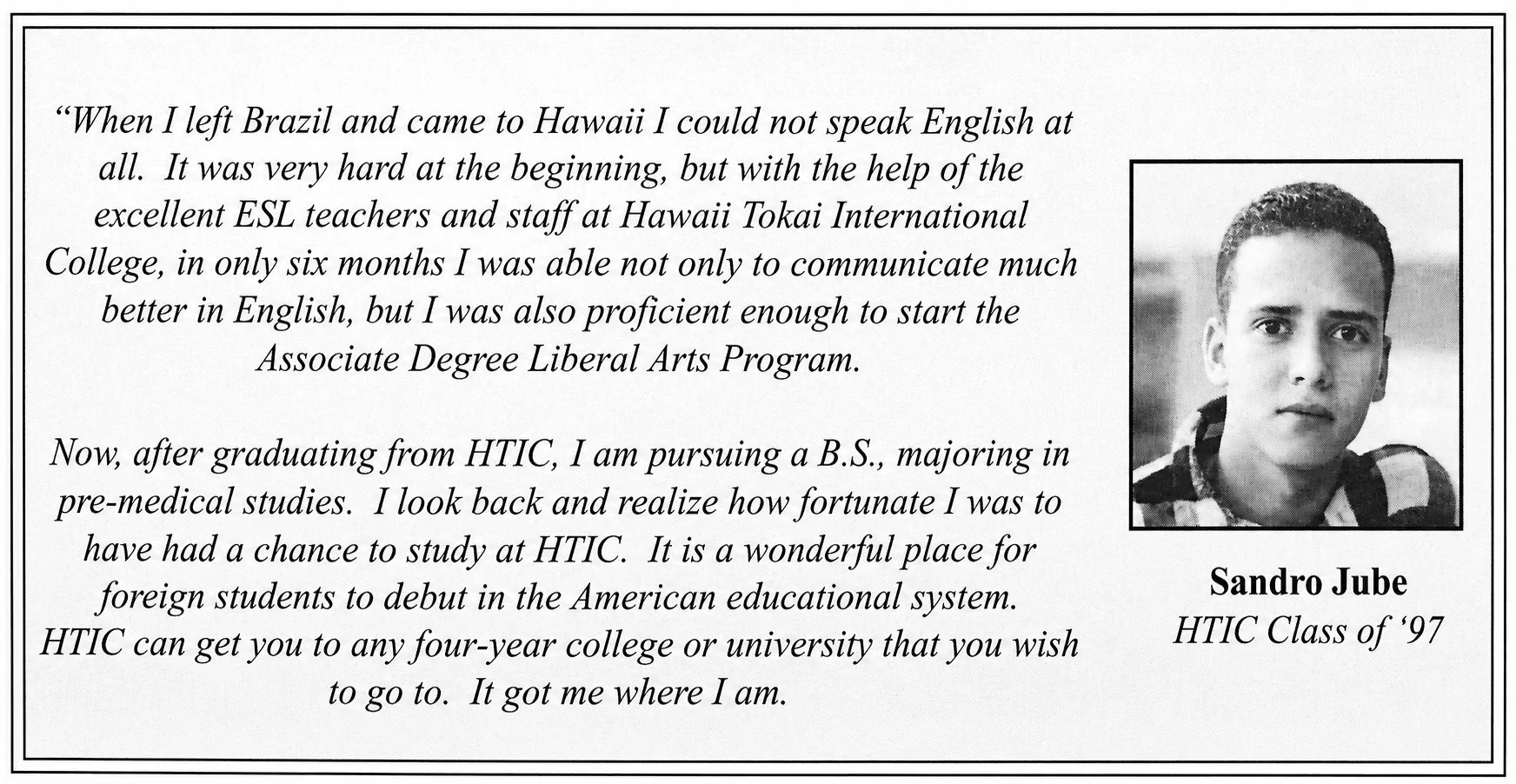
When Dr. Sandro Jube arrived in Hawai‘i from Brazil in 1995, he spoke no English, had little money, and had never lived away from home. He came with the hope of becoming a physician, but his path would change many times along the way. Even with the uncertainty ahead, he was excited by the possibility of trying something different in Hawai‘i.
What followed was a journey through scientific research and higher education, shaped by curiosity, resilience, and a willingness to keep moving forward when the original plan no longer seemed possible. Today, Sandro teaches biology at Leeward Community College, where he uses his own experiences to help students recognize what may be possible in their lives.
Finding a Gateway at HTIC
For Sandro, Hawai‘i Tokai International College was more than the beginning of his education. It was his gateway to Hawai‘i, the United States, and a much larger world.
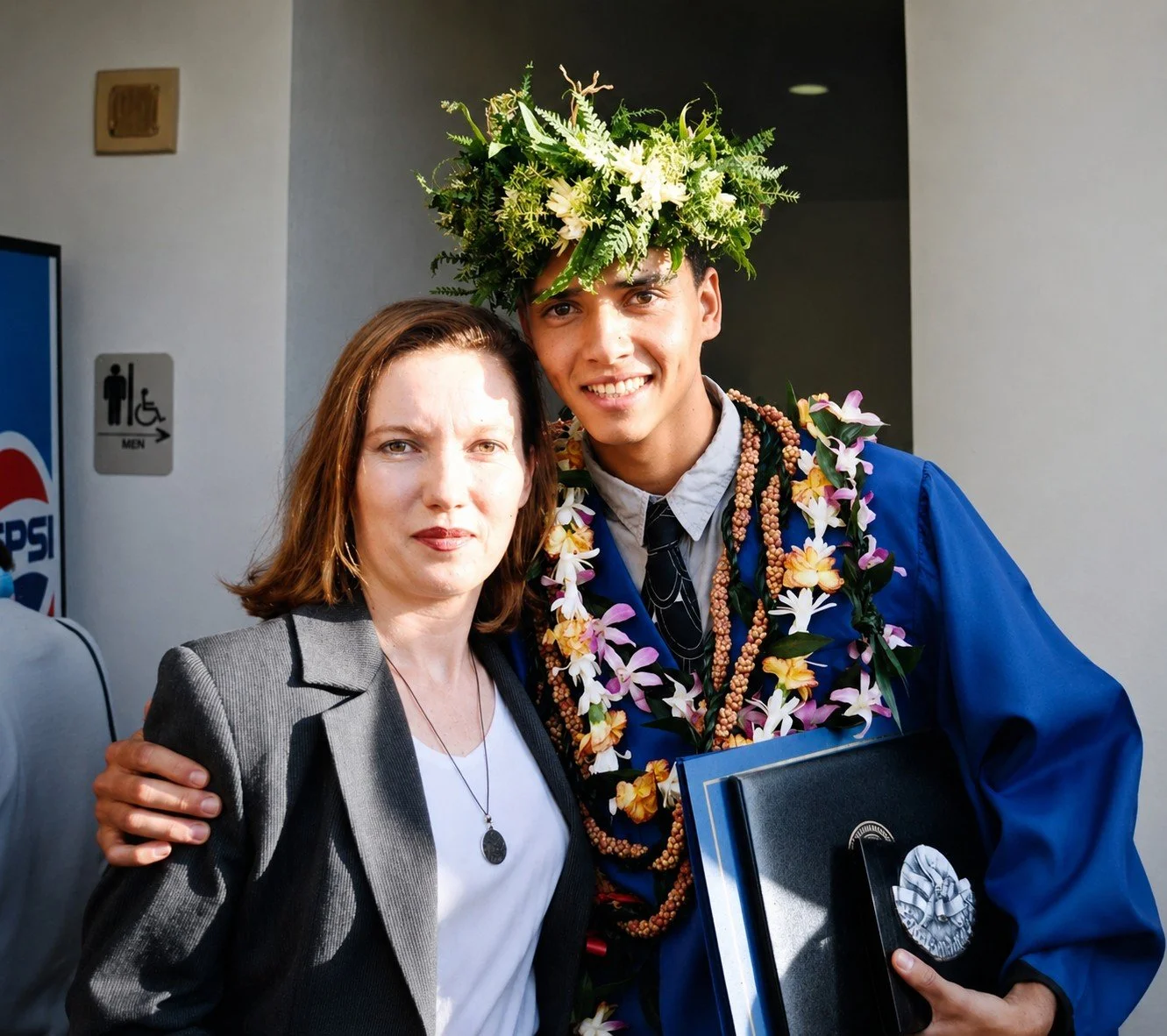
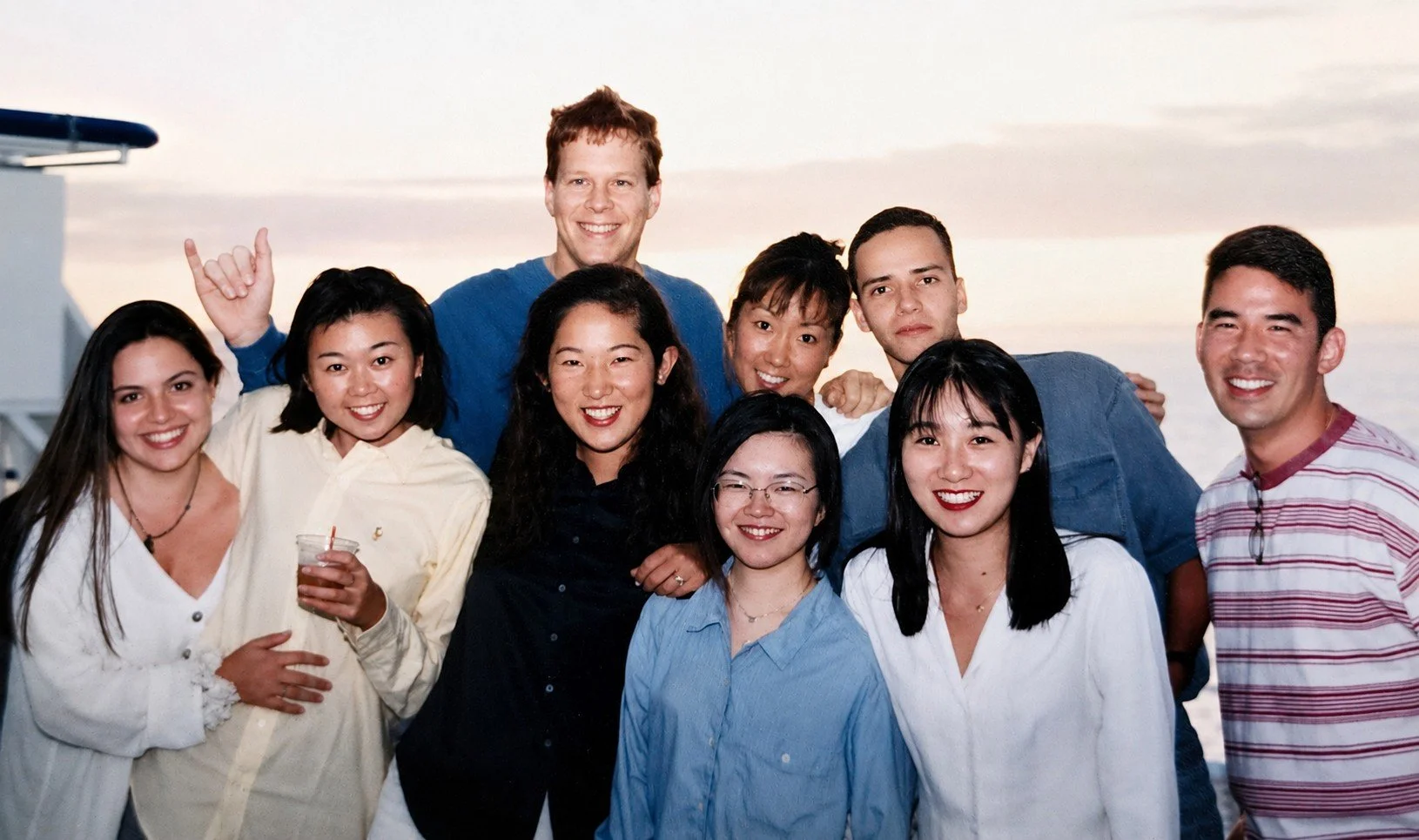
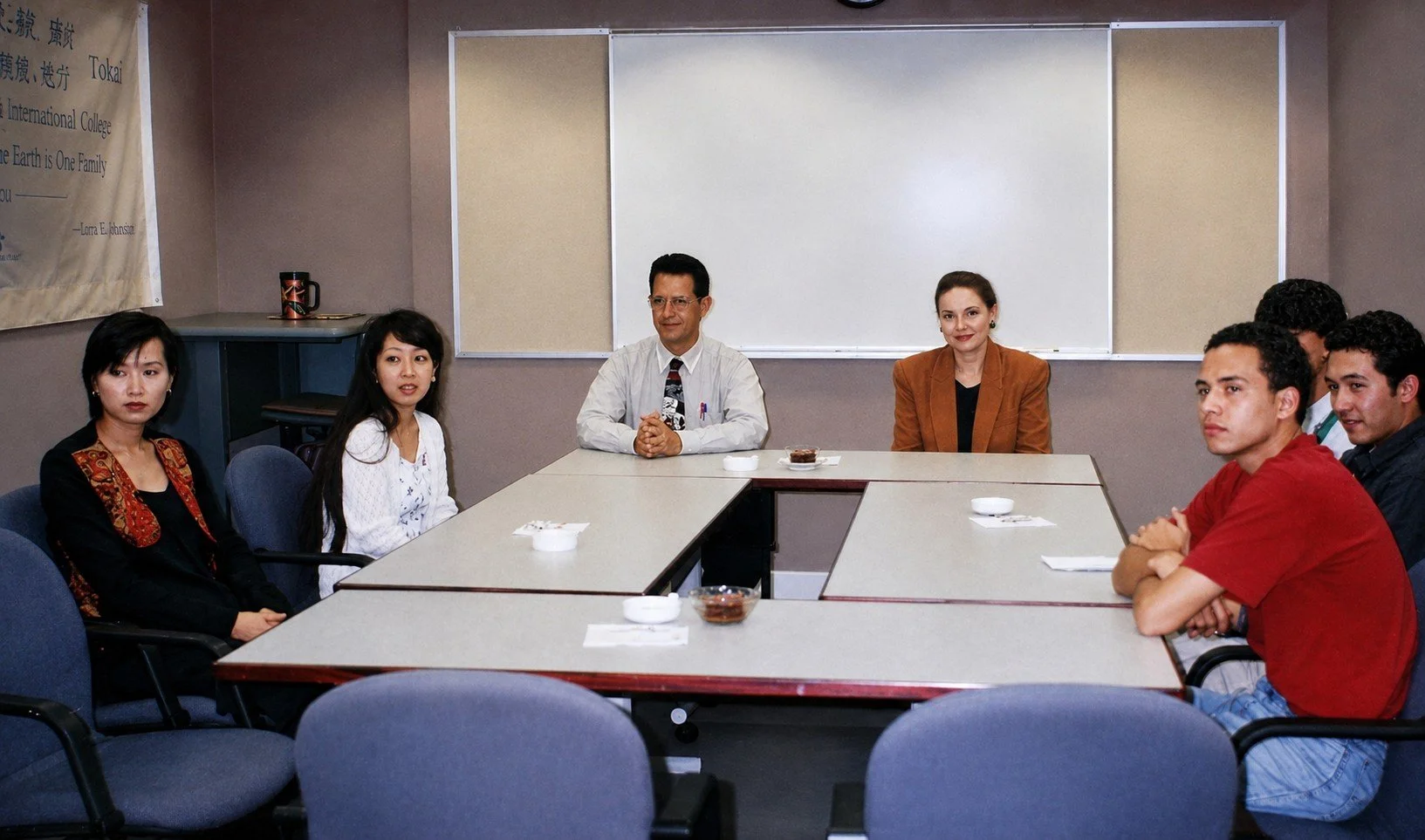
He spent his first six months learning English before beginning college-level courses and earning his associate degree in liberal arts in 1997. The transition was intimidating, but Sandro remembers how welcomed he felt by HTIC’s faculty and staff. Studying alongside classmates from many different countries, such as Japan, Peru, Micronesia and Vietnam, broadened his perspective and deepened his appreciation for other cultures. “I think one of the reasons I am a professor today comes from how the professors at HTIC treated me and how much they invested in the education and growth of their students.”
Changing Direction Without Giving Up
After HTIC, Sandro transferred to Hawai‘i Pacific University to study biology. His goal was to attend medical school, but he soon learned that, as an international student, he could not access the financial support needed to afford it.
Letting go of that plan was one of the most difficult turning points in his journey. Rather than walk away from science, Sandro reflected on what had drawn him to the field in the first place: his curiosity, his love of learning, and his interest in health and academia. He began to see that there could be another path forward, even if it looked different from the one he originally imagined.
Sandro went on to earn a master’s degree and PhD in molecular biosciences and bioengineering at the University of Hawai‘i at Mānoa. Graduate research tested his persistence. Experiments often failed, progress could be slow, and there were many moments when he questioned whether or not to continue.
Over time, however, he came to understand that failure was not separate from the scientific process. It was part of learning, adjusting, and trying again.
“Especially in science, we fail a lot more than we succeed,” he explained.
Bringing a Different Perspective to Cancer Research
After earning his PhD, Sandro hoped to move into cancer research, a field that held personal meaning after both of his parents passed away from cancer. Still, he doubted that a laboratory would hire someone whose previous research focused on plants and bacteria.
He applied anyway.
A laboratory at the University of Hawai‘i Cancer Center invited Sandro to join its research on mesothelioma. When he later asked why he had been selected, his supervisor explained that the team valued the different perspective he could bring to its work.
What Sandro had viewed as a weakness became one of the reasons he was hired. His experience had taught him to approach problems differently, and to appreciate the differences.
He later continued his cancer research at Children’s National Hospital in Washington, D.C. Each transition asked him to enter an unfamiliar environment, learn new approaches, and trust that the skills he had already developed could carry into the next opportunity.
The experience reinforced a lesson that would remain with him: do not decide that you are unqualified before trying/before showing the world what you have to offer.
Finding a More Immediate Impact Through Teaching
After years in research, Sandro began looking for a more immediate connection to the people his work could affect. He understood the importance of scientific discovery, but he wanted to see and feel the impact of his work more directly.
He found that connection in teaching.
After returning to Hawai‘i, Sandro began teaching biology and quickly discovered how much he valued being in the classroom. He enjoyed the daily interaction with students and the opportunity to watch their confidence grow. He eventually earned a permanent position at Leeward Community College, where he has taught for approximately a decade.
His students come from many stages of life: some are still in high school, while others are non-traditional students. At the beginning of each semester, Sandro shares part of his own journey so students can see that the professor standing before them once arrived in Hawai‘i without English skills, financial security, or a clear understanding of where his path would lead.
He also tries to connect biology to students’ everyday lives. In courses such as anatomy and physiology, he discusses health conditions they may recognize from their own families and encourages them to use what they learn to advocate for themselves and the people they care about.
For Sandro, teaching is not only about helping students understand biology. It is about helping them see their own potential, continue learning, and believe that their current circumstances do not have to define how far they can go.
Advice for Students and Early-Career Readers
In his own words:
Advocate for yourself. Learn as much as you can, ask questions, and take an active role in the decisions that affect you. Whether it is your education, career, or health, being informed helps you better support yourself and the people you care about.
Be resilient. Challenges are going to happen—it is not a matter of if, but when. When they do, take a step back, understand what is in front of you, and think about how you can adjust or find another way through it.
Stay curious. No one knows everything, and we should never stop learning. Keep asking questions, looking for answers, and remaining open to where that curiosity may take you.
Reach out and take the chance. You may think your background is not the right fit, but you do not know what someone else may see in your experience. Apply, start the conversation, and give yourself the opportunity to hear a yes.
Don’t be afraid of no. You will probably hear no many times along the way. Keep going. Each experience gives you something new to carry into the next opportunity.
Credits
Interview with Dr. Sandro Jube (Hawai‘i), July 2026.
This feature has been edited for clarity and length.
