
Journey from HTIC to the UN: Turning awareness into global action
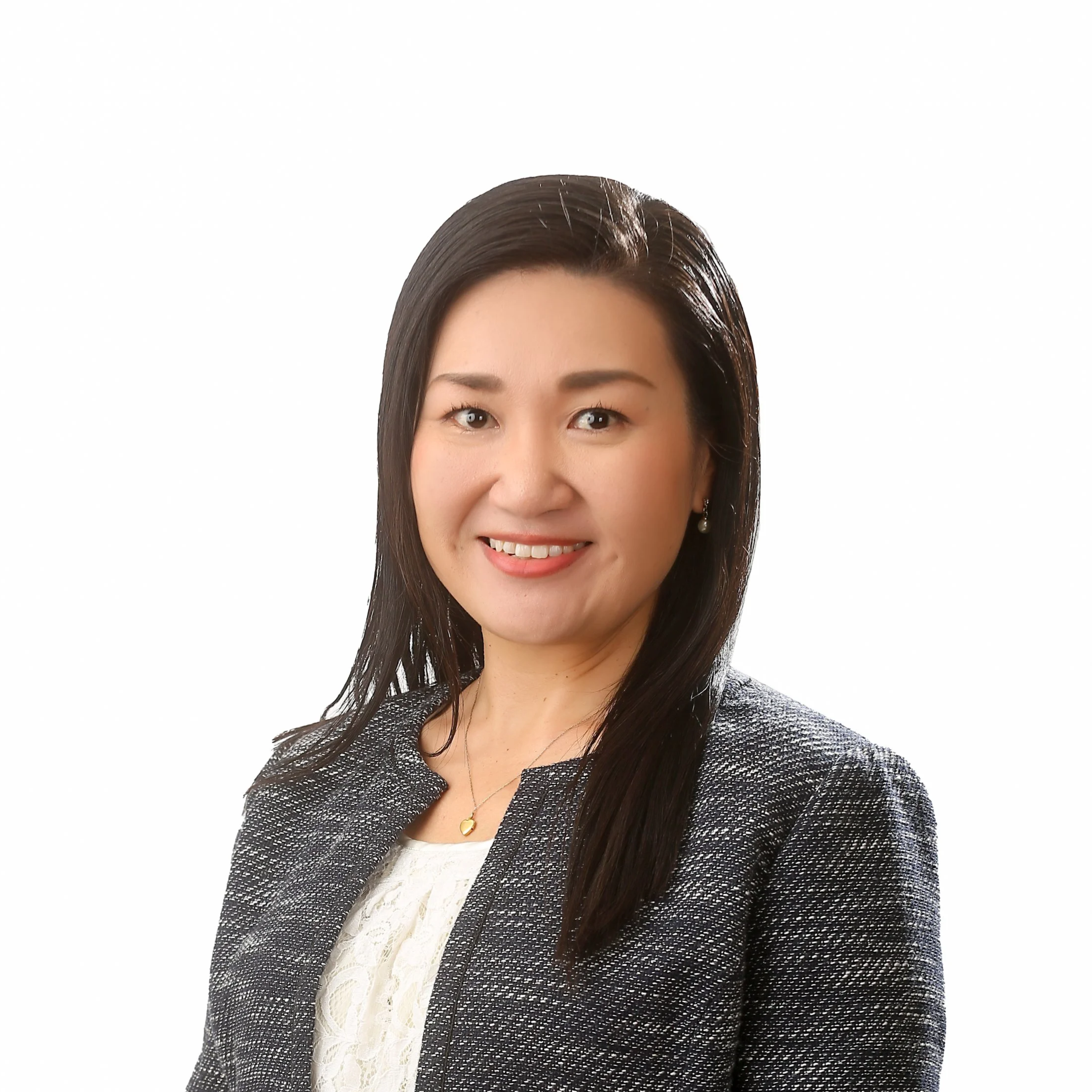
Discovering a Broader World at HTIC
When Miku Watanabe left Japan to study at Hawaii Tokai International College (HTIC) in 2001, she didn’t yet imagine a future working with the United Nations. Raised in a working-class family with limited exposure to higher education, her decision to study abroad was driven by curiosity and a love for learning. But her year at HTIC would open her eyes to global issues and set her on a lifelong mission to create change for children around the world.
At HTIC, courses in global studies and literature challenged her in new ways. “It was the first time I learned about poverty, gender inequality, and the realities faced by girls in Afghanistan who were denied education,” she recalls. “I realized how privileged I was—and that I had to do something about it.” Guided by her professors, including Chancellor Yoshikawa, she began to see education as a tool for empowerment and social change. His casual encouragement, “Why don’t you work for the UN?”, planted a seed that would eventually grow into a global career.
Building a Path Toward Global Service
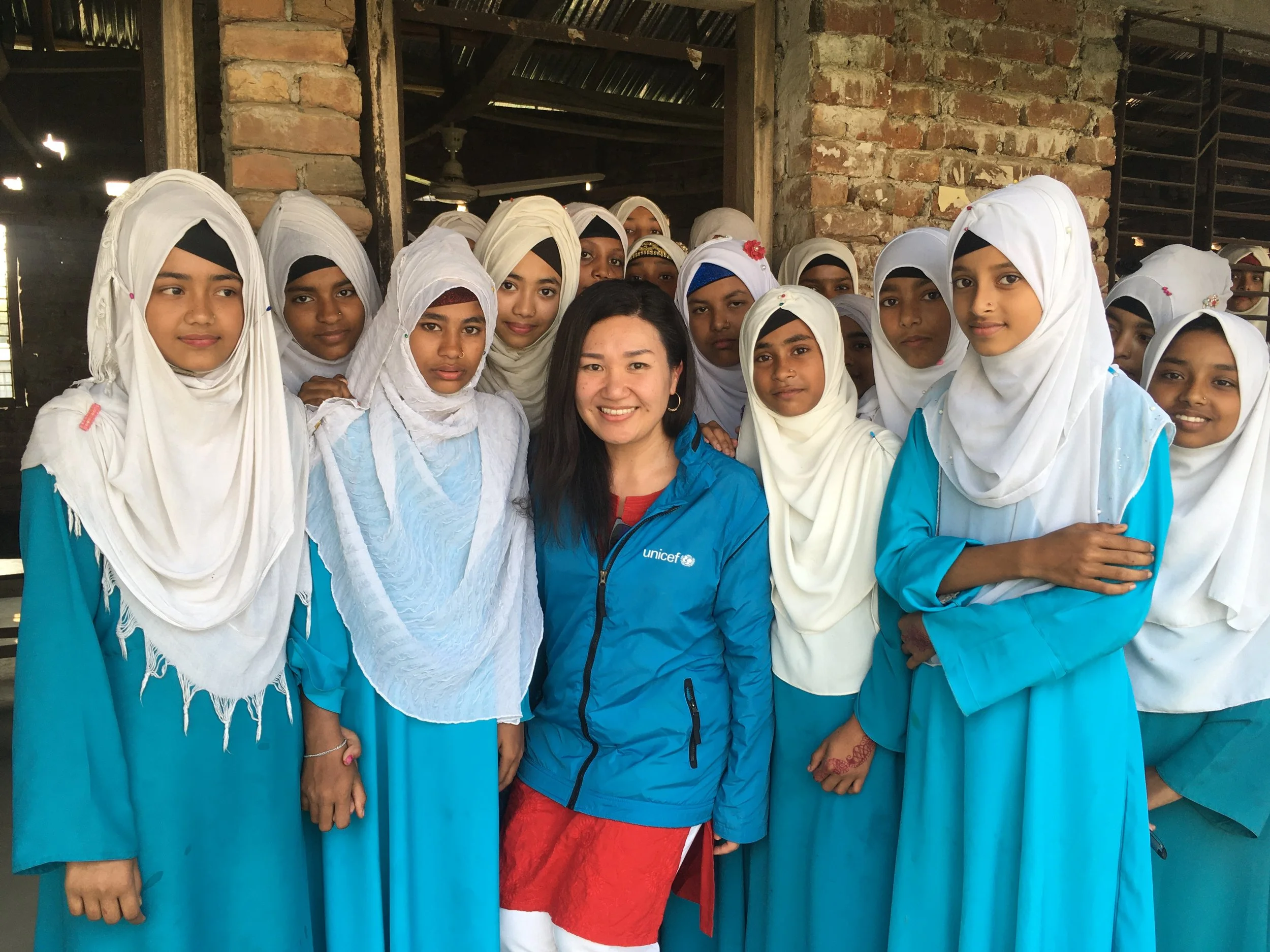
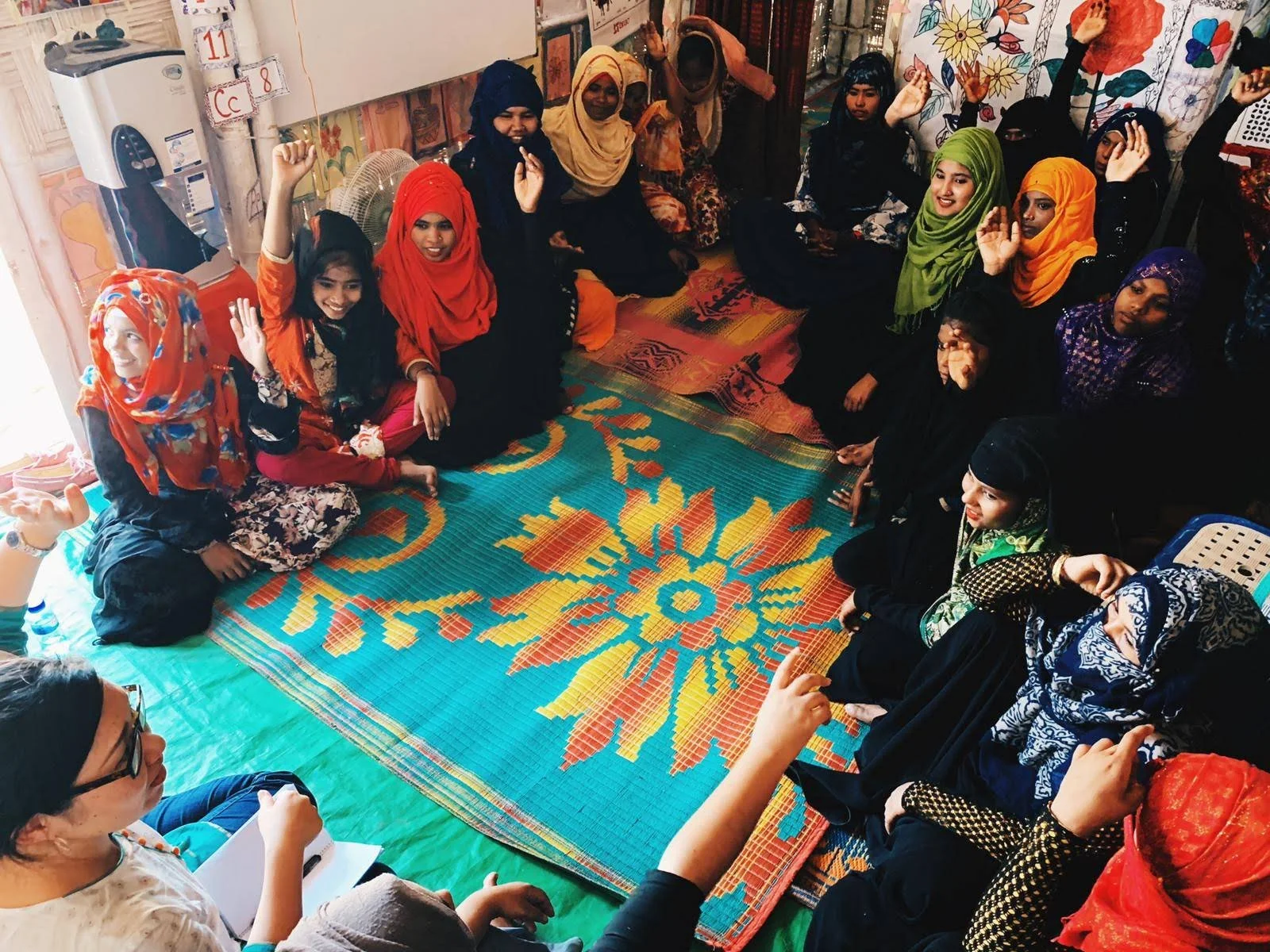
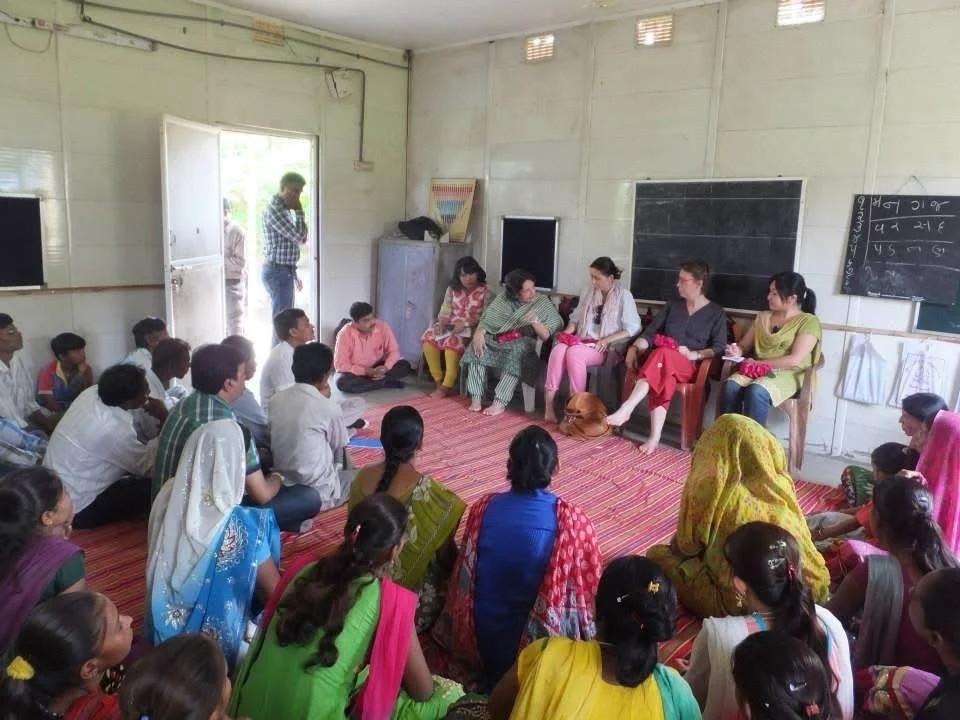
After completing her bachelor’s degree at Tokai University, Miku pursued a master’s in Sociology of Education and PhD in International Education Development at Arizona State University. During her studies, she interned with both UNICEF and UNESCO, working in India and Pakistan. “When I was working in India and Pakistan, I saw people's lives impacted every day by poverty, violence, and discrimination first hand, which further motivated me to pursue this career and work toward improving the situation. ” she says.
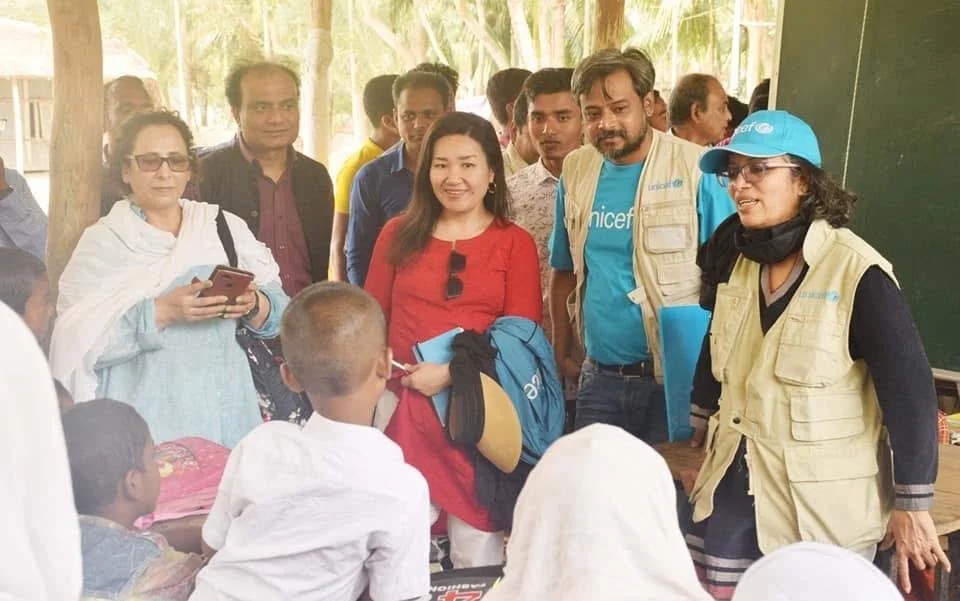
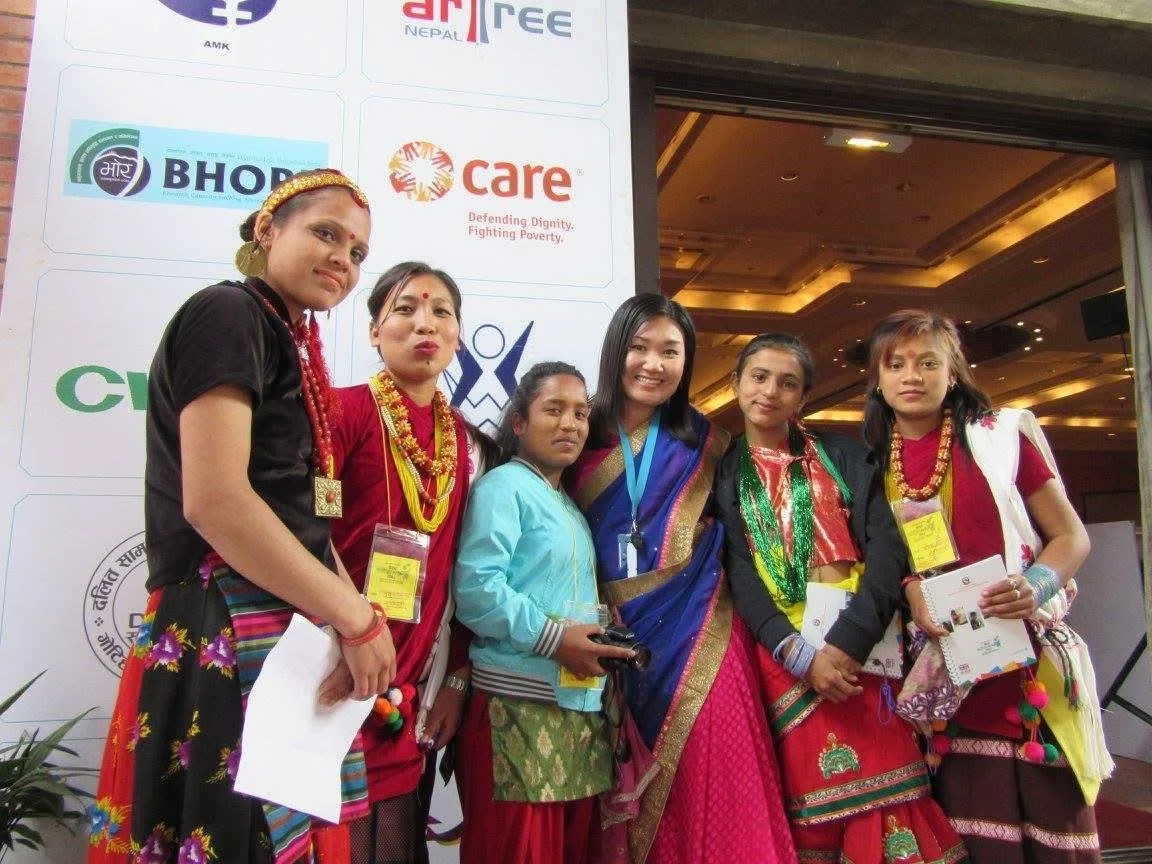
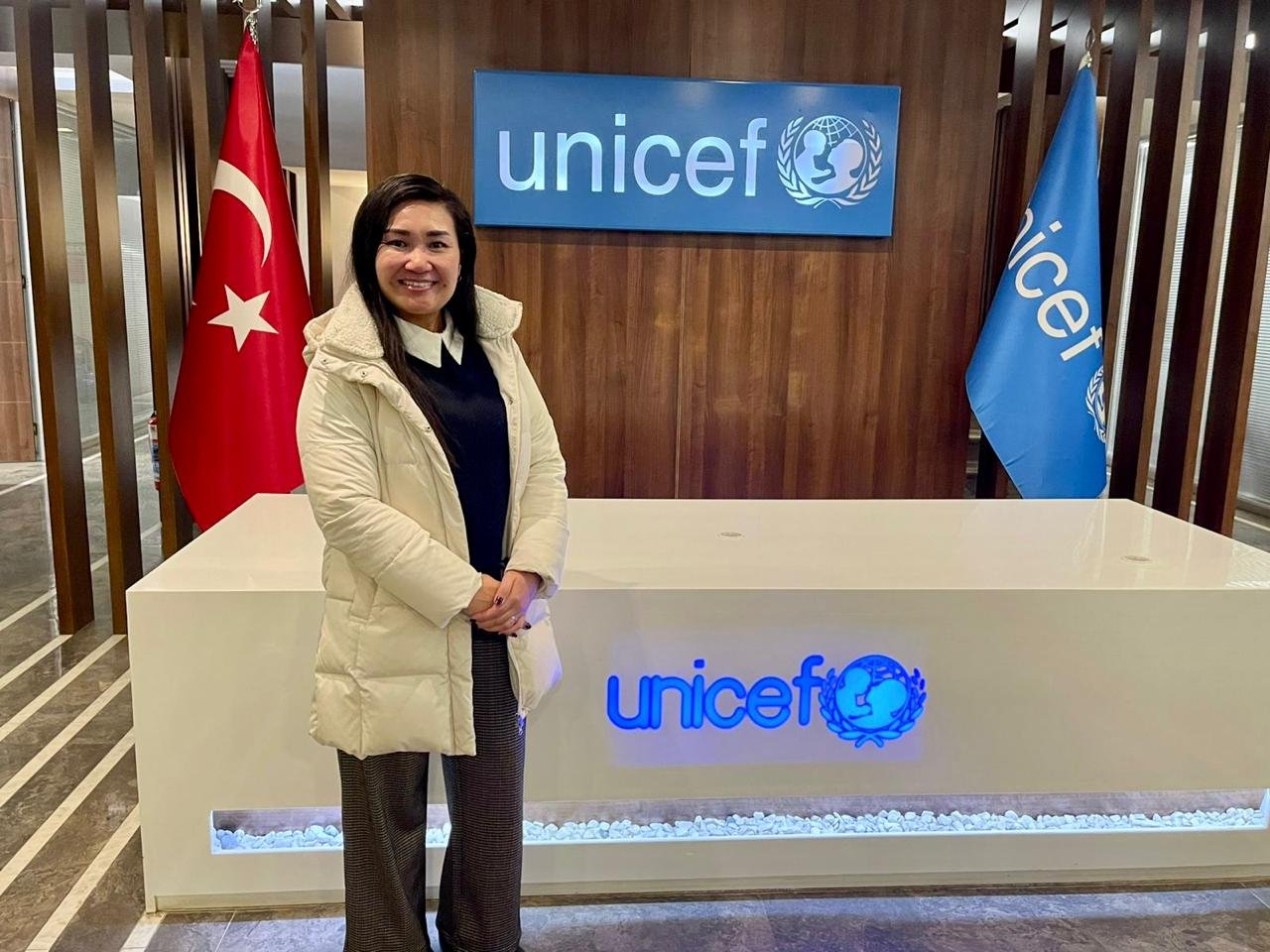
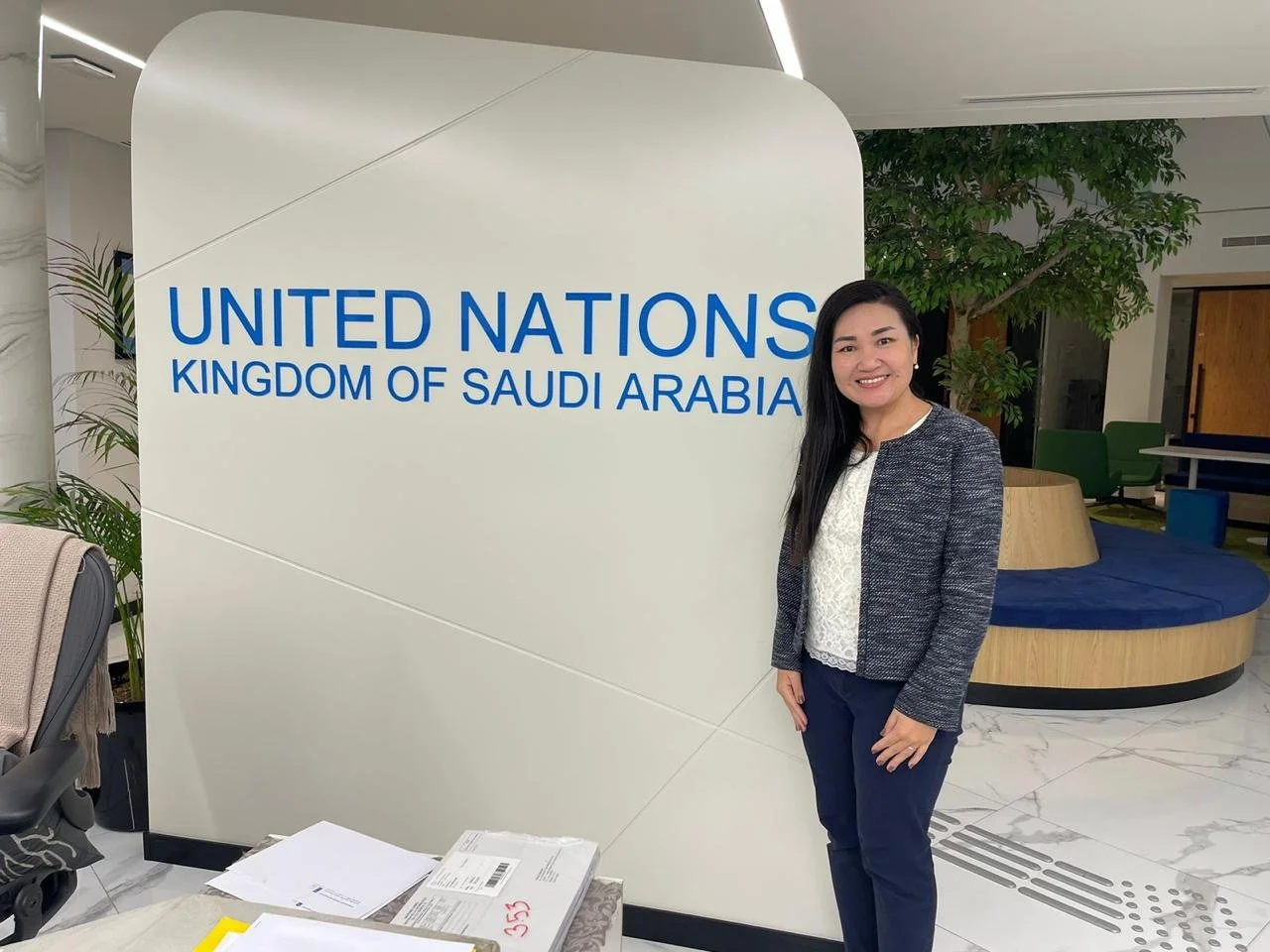
Before joining the UN, Miku worked as a consultant for the Japan International Cooperation Agency (JICA), conducting research and evaluation in countries such as Namibia, South Sudan, and Vietnam. In 2014, she joined UNICEF Nepal, later serving in Bangladesh and now at the Regional Office for the Middle East and North Africa in Amman, Jordan. As a Monitoring Specialist, she oversees program planning, monitoring, and reporting across 16 country offices—ensuring that necessary support, services and supplies reach children and families in need.
Staying Grounded in Purpose
Though her work now involves less time in the field, Miku continues to find purpose in every aspect of her role. “Whenever administrative processes or technical discussions feel overwhelming, I remind myself that everything we do ultimately contributes to improving children’s lives,” she says. Collaborating with colleagues from over 50 countries—each bringing unique expertise and perspectives—has also been one of the most rewarding parts of her work. “Working in such a diverse environment pushes all of us to think critically and act collectively toward the same goal.”
Reflecting on her journey from a small village in Fukushima to the UN, Miku hopes young people will recognize that big dreams are within reach. “You don’t have to come from a privileged background to make a difference,” she says. “Once you take the first step, opportunities start to appear.”
Miku’s Advice for Students and Early-Career Readers
In her own words:
Follow your curiosity. Even if you’re unsure about your path, start with what genuinely interests you. Small steps often lead to unexpected opportunities.
Keep learning. Study hard and stay open-minded. The effort you invest now will build the foundation for whatever you choose later.
Don’t decide you can’t before you try. Many people give up too early. If you truly want something, keep looking for ways to make it happen.
Persevere. Challenges are part of the process—use them to build strength and confidence.
Believe in your potential. You don’t need to come from a privileged background to make an impact. What matters most is your persistence and passion.
Credits
Interview with Miku Watanabe (Jordan), October 2025
This feature has been edited for clarity and length.
